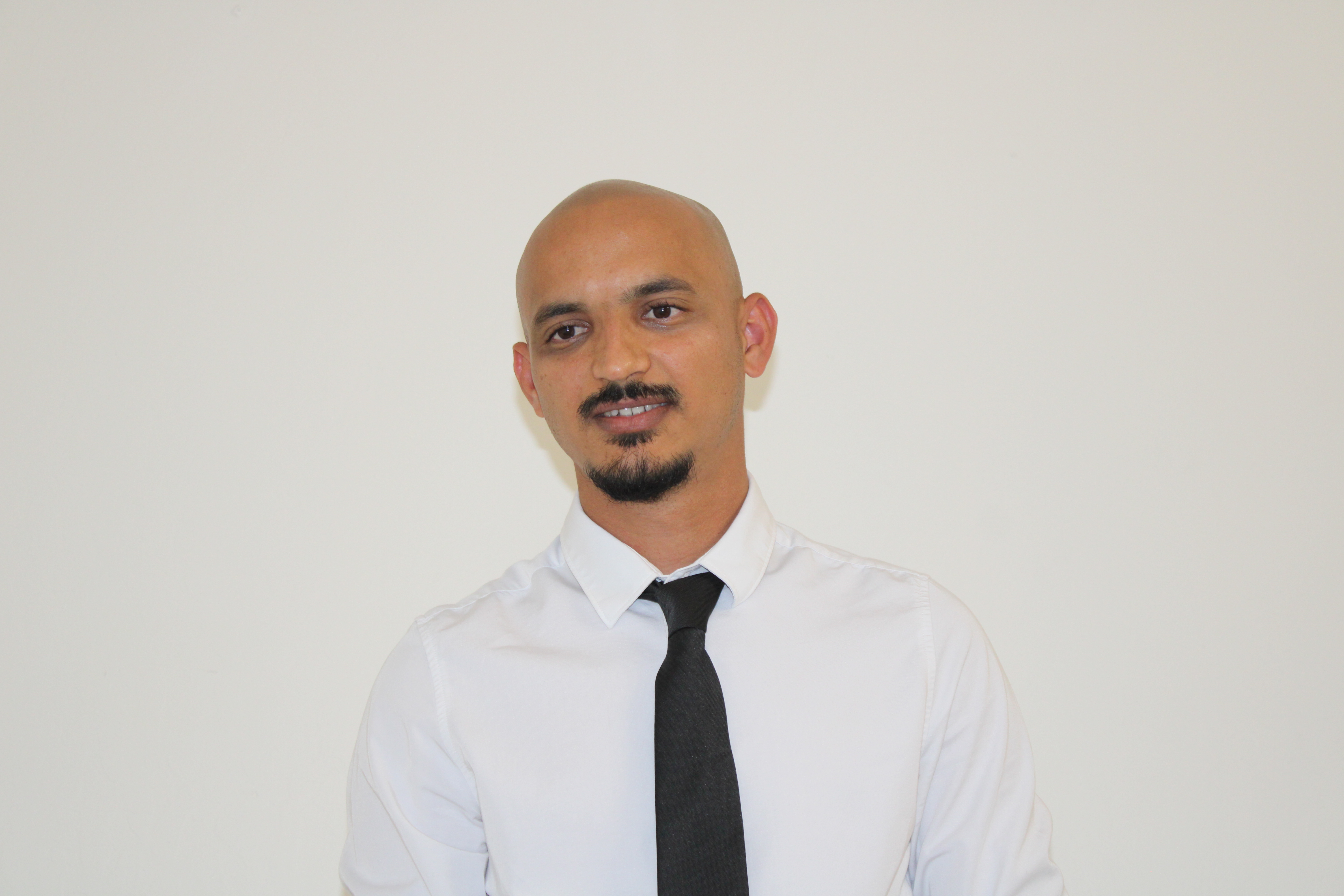
Srinath Naik Ajmeera
Senior ML Engineer · Mountain View, CA
Building high-performance inference systems for LLMs and NLP models. Interested in ML systems, efficient serving, and computer vision.
Senior ML Engineer · Mountain View, CA
Building high-performance inference systems for LLMs and NLP models. Interested in ML systems, efficient serving, and computer vision.
About
I'm a Senior ML Engineer at Moveworks (now ServiceNow), where I build and optimize inference infrastructure for large language models and NLP systems. Before that I was at Amazon—working on AWS Bedrock custom model hosting and Amazon One palm-recognition devices—and at Apple on identity and access management.
I hold an MS in Computer Science from UCLA and a B.Tech from IIT Bombay. My interests sit at the intersection of ML systems and applied research: scalable LLM serving, inference optimization, and computer vision.
Experience
Industry
Moveworks (now ServiceNow)
Own the inference infrastructure powering Moveworks' LLM and NLP systems — designing and optimizing the serving stack for low-latency, high-throughput model execution at scale.
Mountain View, CA
Amazon
AWS Bedrock
Built the inference layer and model-onboarding pipeline for Custom Model Import — the AWS Bedrock service that lets customers bring their own large language models into fully managed, production-grade hosting.
Amazon One
Designed the on-device image-processing pipeline for Amazon One, the palm-recognition payment system — optimizing the biometric capture stack that runs in real time on edge hardware.
Seattle, WA
Apple
Owned core surfaces of RAMP (Registration, Access Management & Provisioning) — Apple's enterprise-wide system of record for access control — driving design and implementation across platform and business-facing workflows.
Hyderabad, India
Academic
UCLA — Visual Machines Group
Developed image-restoration models and physics-guided learning techniques for computational photography, publishing research on inverse-problem solvers within the lab's experimental pipeline.
Los Angeles, CA
UCLA — Computer Science
Led discussion sections for CS 31 & CS 32 (Introduction to Computer Science I & II, C++), designing weekly teaching material and guiding students through core programming concepts. View teaching material →
Los Angeles, CA
Blog
Coming soon..